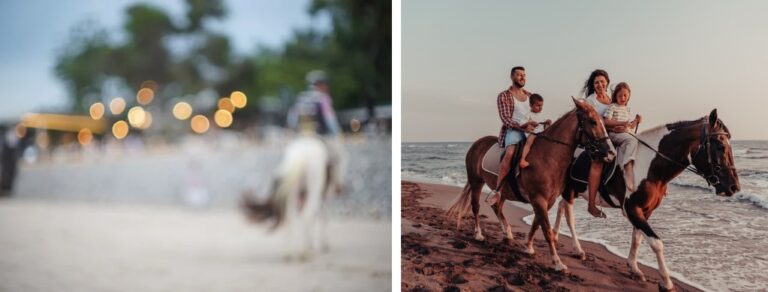
You’ve probably heard the saying: “A picture is worth a thousand words.”
But in tourism, the right photo can be worth a thousand bookings.
When travellers are deciding between you and the next operator on Google, your tourism website photos often make that decision for them. Beautiful, authentic images build trust, tell your story, and make people want to experience your tours for themselves.
Let’s explore why your photos matter so much — and how to make them work harder for your business.
1. First Impressions Happen in Seconds
Before travellers read a word of your website copy, they notice your images.
If your photos look flat, outdated, or low-quality, visitors subconsciously assume your tours might be the same. But if your site is full of vibrant, well-composed images, it tells them:
“This business is professional, trustworthy, and worth booking.”
Tip: Your homepage banner image is your online shop window — make it your most eye-catching, high-quality shot.
2. Show, Don’t Just Tell
Words describe your experience. Photos let travellers imagine themselves there.
If your website says “breathtaking mountain views,” your photo should show that view — the mist, the light, the scale. Great tourism website photos make your tours feel real before travellers even arrive.
Example: A smiling group at the summit or a kayak on calm morning water says more than any sentence ever could.
3. Real People Build Real Trust
Stock images are fine for placeholders, but authentic photos of your actual tours build connection and credibility. Travellers want to see the genuine experience — real guests, real guides, real moments.
Pro tip: If you can, invest in a half-day professional shoot during one of your regular tours. Natural light and candid expressions will do more for your business than any staged photo shoot ever could.
4. Quality Images Help You Rank Higher
Great photos don’t just look good — they help your SEO too.
When you upload optimized tourism website photos (with clear file names and alt text), search engines understand what your site is about. That means your pages can appear in both Google Search and Google Images.
Quick SEO checklist for your photos:
- Rename files before uploading (e.g.
queenstown-kayak-tour.jpg) - Add descriptive alt text (“Guests kayaking on Lake Wakatipu during sunrise tour”)
- Compress images for fast loading — slow sites lose visitors and bookings
5. Photos Create Powerful Social Media Content
Your best website images can double as your social media visuals.
Share them on Instagram, Facebook, or your Google Business profile with short captions or quotes from your guests. When your website and social channels use the same professional visuals, your brand instantly feels consistent and trustworthy.
Tip: Use the same editing style or filter across platforms — it strengthens your brand identity.
6. Keep Your Gallery Fresh
Think of your website photos like a shop display — they need regular updates.
Add new shots each season or when you introduce new tours. Rotate images on your homepage to reflect current weather, tours, or guest experiences. It signals to travellers (and Google) that your business is active and relevant.
Final Thoughts
Strong, authentic tourism website photos don’t just decorate your site — they sell your experience. They help travellers picture themselves there, create emotional connection, and inspire bookings long before the first email or call.
Invest a little time (or budget) in getting your visuals right, and you’ll see the difference not just in how your website looks — but in how well it performs.
Next Step
Tourism Webworks helps small tour operators build websites that show what makes their experiences special — through the perfect blend of storytelling, design, and imagery.