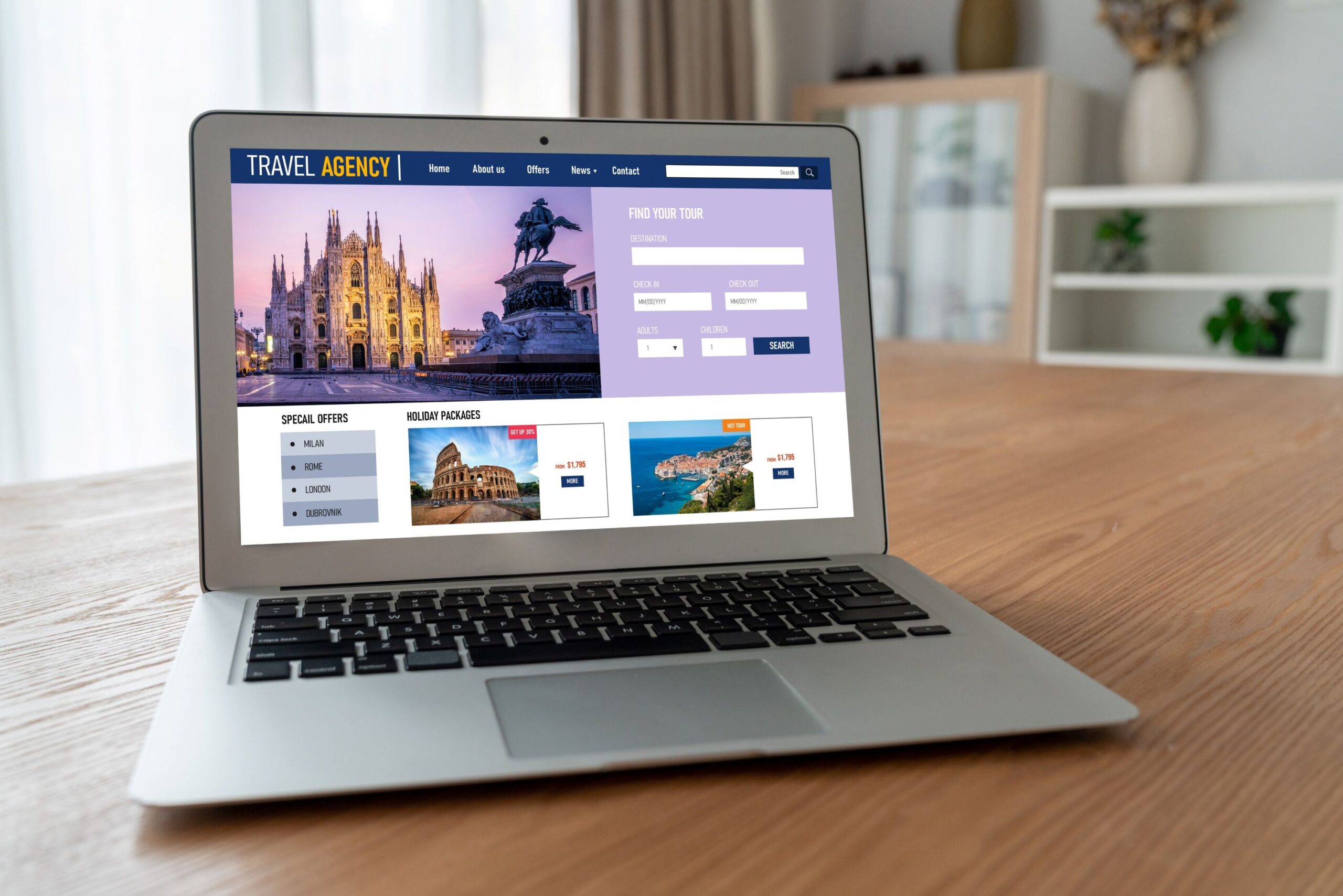
If you’re a tour operator or local guide, having your own website is already a big win. But here’s the next question: What exactly should go on it?
A small tourism website doesn’t need to be complicated or expensive — it just needs to include the right pieces so travellers can find you, trust you, and book with confidence.
Here are the five essentials every small tourism website should have.
1. Clear, Honest Storytelling
People don’t just buy tours — they buy experiences and connection. Start with a simple homepage that tells your story in a few warm, genuine sentences.
Include:
– Who you are and why you love what you do
– What makes your tours unique
– A strong photo that shows you in action
Think of it as your friendly handshake with potential travellers. Authenticity beats slick marketing every time.
2. Simple, Mobile-Friendly Navigation
Most visitors will discover your small tourism website on their phone — often while they’re travelling.
That means your site needs to load quickly and feel effortless to use:
– Keep your menu short: Home, Tours, About, Contact, Book Now
– Use large, clear buttons and easy-to-read fonts
– Test everything on mobile before publishing
A clutter-free layout helps guests focus on what matters: booking their next adventure.
3. Eye-Catching Tour Pages
Your tour pages are where travellers make their decision — so treat them like your digital storefront.
Each page should include:
– An engaging headline (e.g., “Sunset Kayak Tour in the Bay”)
– A few strong images or a short video
– Tour length, price, inclusions, and what to bring
– Real-world testimonials or guest reviews
And don’t forget a bright Book Now or Enquire button near the top of each page.
Good visuals + clear details = confidence to book.
4. Built-In Booking or Contact Option
The best small tourism websites make it effortless to take the next step.
Whether that’s:
– A direct booking system (like FareHarbor, Bokun, or a form connected to your email), or
– A simple “Send Enquiry” form — always include one clear call-to-action.
Pro tip: Offer both email and WhatsApp or Messenger options — travellers love instant answers when planning trips on the go.
5. Trust Signals Everywhere
Travel decisions are emotional — people need to feel safe and confident before booking.
Show trust through:
– Real customer reviews (TripAdvisor, Google, or embedded quotes)
– Professional photos and up-to-date contact details
– Social media links
– Clear refund or cancellation policies
These small touches turn casual browsers into confirmed guests.
🌞 Final Thoughts
Building a small tourism website doesn’t mean adding endless pages — it’s about including the essentials that make a traveller say “Yes, this is the one.”
Tell your story, make it easy to navigate, show off your tours, and give visitors confidence to reach out or book directly.
When those five elements come together, your website stops being “just a page” and becomes the heart of your business — working for you around the clock.
Next Step
Tourism Webworks helps small tour operators create fast, beautiful, and easy-to-manage tourism websites — designed to bring in more bookings and fewer headaches.